
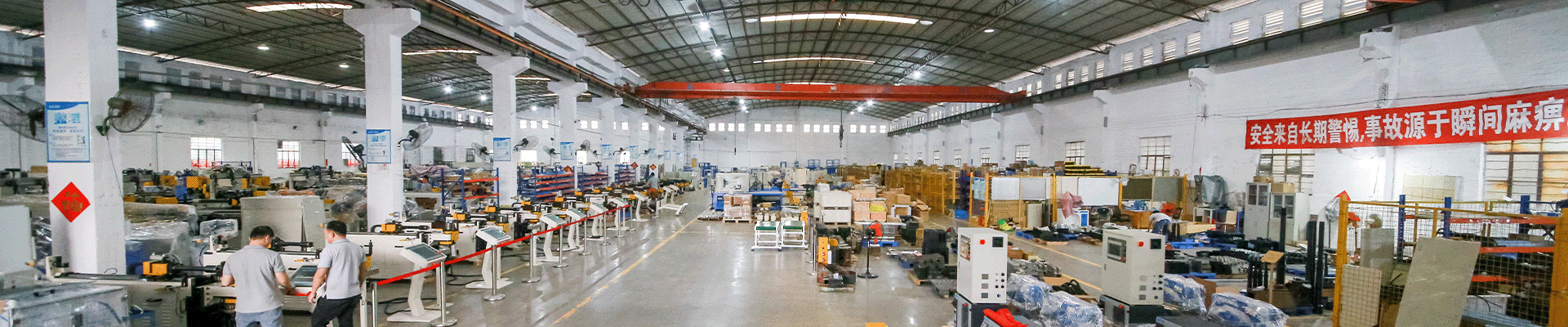
In modern tube processing industries, the demand for high-precision tube end forming machine solutions continues to grow. Industries such as automotive, HVAC, refrigeration, medical equipment, furniture, and hydraulic systems all rely on efficient tube forming machine and pipe forming machine technologies to improve assembly quality and production efficiency.
A tube end forming machine is designed to reshape the end of metal tubes and pipes for different connection requirements. Common tube end forming process applications include expanding, reducing, flaring, beading, and closing operations. Compared with manual processing, automatic end forming machine systems provide higher consistency, lower labor costs, and better production speed.
Today, many manufacturers are investing in advanced pipe end forming machine solutions to support industrial automation and flexible production lines. Whether processing stainless steel, copper, aluminum, or carbon steel, modern metal tube end forming technology plays an important role in industrial manufacturing.
Definition of Tube End Forming
Tube end forming refers to the process of reshaping the end of a metal tube or pipe without removing material. The tube end forming process changes the tube geometry to meet assembly, sealing, or fluid connection requirements.
Common metal tube end forming operations include:
- Tube expanding
- Tube reducing
- Tube flaring
- Tube beading
- Tube necking
- Pipe end closing
These forming methods are widely used in industries where secure pipe connections and leak-proof joints are required.
For example, HVAC copper tubes often require expansion and flaring before welding, while automotive exhaust pipes may need reducing and beading operations during production.
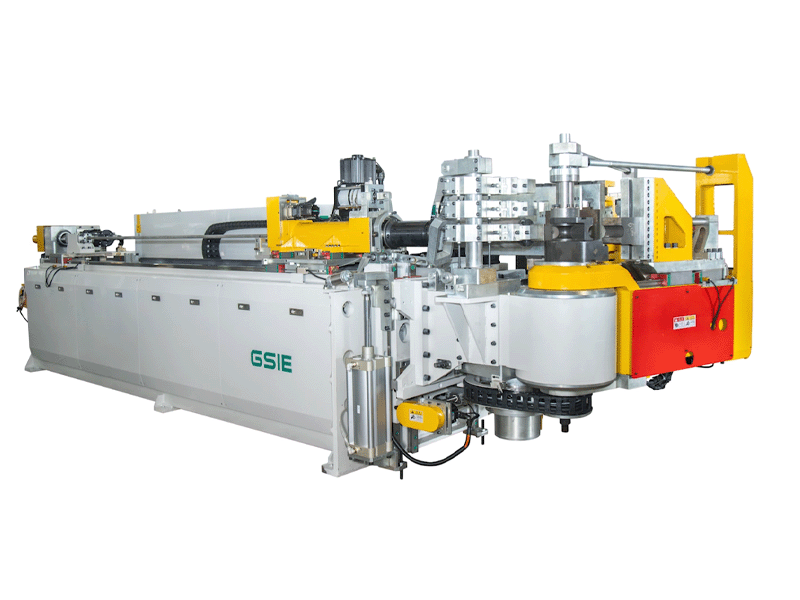
Tube end forming machine SKW-19
What Is a Tube End Forming Machine?
A tube end forming machine is specialized equipment used to perform end shaping operations on metal tubes and pipes. Unlike a general tube forming machine, which may bend or cut tubes, an end forming machine focuses specifically on reshaping the tube ends.
Modern pipe end forming machine systems can operate with hydraulic, pneumatic, or servo-driven technology. CNC control systems also improve forming accuracy and production repeatability.
A high-quality tube end forming machine can process:
|
Material |
Common Applications |
|
Stainless Steel |
Automotive exhaust systems |
|
Copper Tube |
HVAC and refrigeration |
|
Aluminum Tube |
Furniture and lightweight structures |
|
Carbon Steel |
Hydraulic systems |
Because of their flexibility, tube end forming machine systems are now widely used in automated manufacturing lines.
How Does a Tube End Forming Machine Work?
The tube end forming process usually includes several stages.
- Feeding
The tube is automatically or manually loaded into the machine. CNC tube forming machine systems often use servo feeding for higher precision.
- Clamping
The machine securely clamps the tube to prevent movement during the forming operation.
- Tooling Forming
Special tooling reshapes the tube end according to the required dimensions. Different tooling sets are used for expanding, reducing, flaring, or beading.
- Hydraulic or Servo Action
Hydraulic pressure or servo motors apply controlled force during the metal tube end forming operation.
- Finished Tube Output
After forming, the finished tube is unloaded for welding, assembly, or further processing.
Modern end forming machine systems can complete multiple forming operations in one cycle, improving production efficiency.
Main Types of Tube End Forming Machines
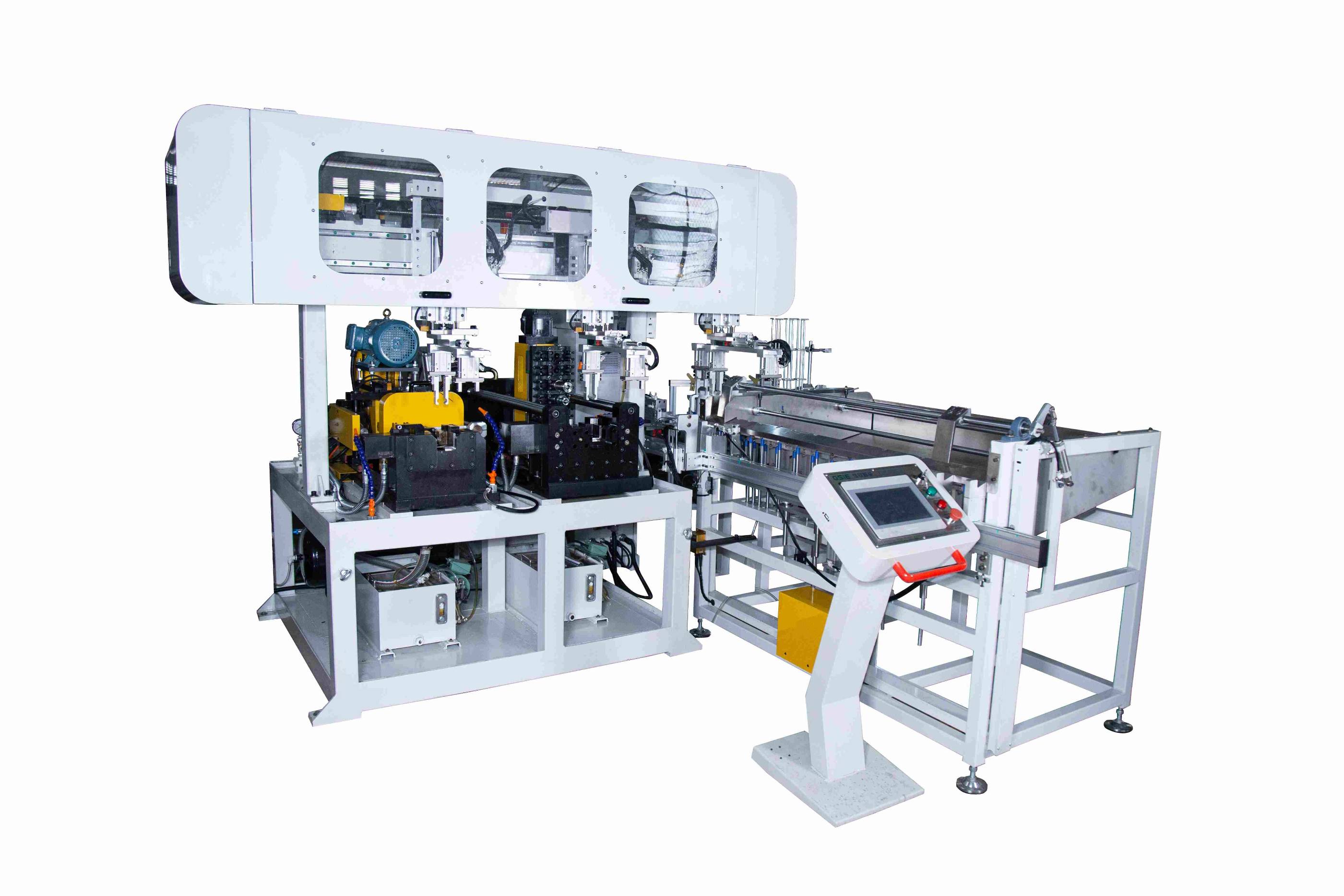
Tube End Forming Machine ZFMS-D20
Hydraulic Tube End Forming Machine
Hydraulic systems provide strong forming force and are suitable for thick-wall steel tubes and heavy-duty applications.
Servo Tube Forming Machine
Servo-driven tube forming machine models offer high precision, energy savings, and flexible programming for complex production requirements.
CNC Pipe Forming Machine
A CNC pipe forming machine uses programmable controls to improve accuracy and reduce setup time during mass production.
Rotary End Forming Machine
Rotary systems are commonly used for smooth forming operations and thin-wall tube applications.
Multi-Station End Forming Machine
Multi-station end forming machine systems allow several tube end forming process operations to be completed automatically in sequence.
Common Tube End Forming Processes
- Tube Expanding
Tube expanding increases the tube diameter for fitting or connection purposes.
- Tube Reducing
Reducing decreases the tube diameter for joining different pipe sizes.
- Tube Flaring
Flaring creates a cone-shaped tube end commonly used in refrigeration and hydraulic systems.
- Tube Beading
Beading strengthens the tube end and improves hose retention.
- Tube Necking
Necking gradually reduces the tube diameter while maintaining material integrity.
- Pipe End Closing
Pipe end closing seals the tube end for pressure or fluid control applications.
These tube end forming process methods are widely used across industrial manufacturing sectors.
Applications of Tube End Forming Machines
Automotive Pipes
Automotive fuel lines, exhaust systems, and brake pipes often require precise metal tube end forming operations.
HVAC Copper Tubes
HVAC systems use expanded and flared copper tubes for leak-resistant connections.
Refrigeration Systems
Refrigeration equipment depends on accurate pipe end forming machine processing to ensure sealing performance.
Hydraulic Tubing
Hydraulic tubes require strong and durable end forming for high-pressure fluid transmission.
Medical Tubes
Medical equipment manufacturers use compact tube end forming machine systems for precision stainless steel tubing.
Furniture Industry
Furniture frames and decorative tubing often use tube forming machine processes for assembly connections.
Industrial Fluid Systems
Many industrial pipelines rely on pipe forming machine technology for customized tube connections.
Tube End Forming Machine vs Pipe Forming Machine
Although the terms are sometimes used interchangeably, there are differences between a tube end forming machine and a pipe forming machine.
|
Machine Type |
Main Function |
|
Tube End Forming Machine |
Reshapes tube ends |
|
Pipe Forming Machine |
General pipe shaping and forming |
|
Tube Forming Machine |
Includes bending, cutting, and forming |
In many factories, tube forming machine and end forming machine systems work together in integrated automation lines.
Key Features to Look for in an End Forming Machine
When selecting an end forming machine, manufacturers should consider several important features.
- CNC Control
CNC systems improve forming consistency and reduce operator error.
- Servo Precision
Servo technology provides accurate positioning and stable forming quality.
- Automatic Loading
Automatic loading systems improve production efficiency and reduce labor costs.
- Tooling Flexibility
Flexible tooling supports different tube diameters and forming requirements.
- Production Efficiency
High-speed tube end forming machine systems are ideal for mass production.
- Energy Saving Design
Modern servo tube forming machine designs consume less energy compared with traditional hydraulic systems.
How to Choose the Right Tube End Forming Machine?
Different production requirements require different machine configurations.
|
Requirement |
Recommended Machine |
|
Thin-wall copper tube |
Servo tube forming machine |
|
Thick-wall steel tube |
Hydraulic end forming machine |
|
High-volume production |
Multi-station CNC system |
|
Precision medical tube |
CNC tube end forming machine |
|
Flexible tube sizes |
Servo pipe forming machine |
Before choosing a machine, manufacturers should evaluate:
- Tube material
- Tube diameter
- Wall thickness
- Production volume
- Automation requirements
Working with experienced end forming machines manufacturers can help improve production planning and machine selection.
Tube End Forming Machine Maintenance Tips
Regular maintenance helps extend machine lifespan and maintain stable production quality.
Maintenance recommendations include:
- Checking hydraulic oil regularly
- Cleaning tooling surfaces
- Inspecting servo systems
- Lubricating moving components
- Replacing worn forming dies
Proper maintenance also reduces downtime and improves production reliability.
Why Choose GSIE as Your End Forming Machine Manufacturer?
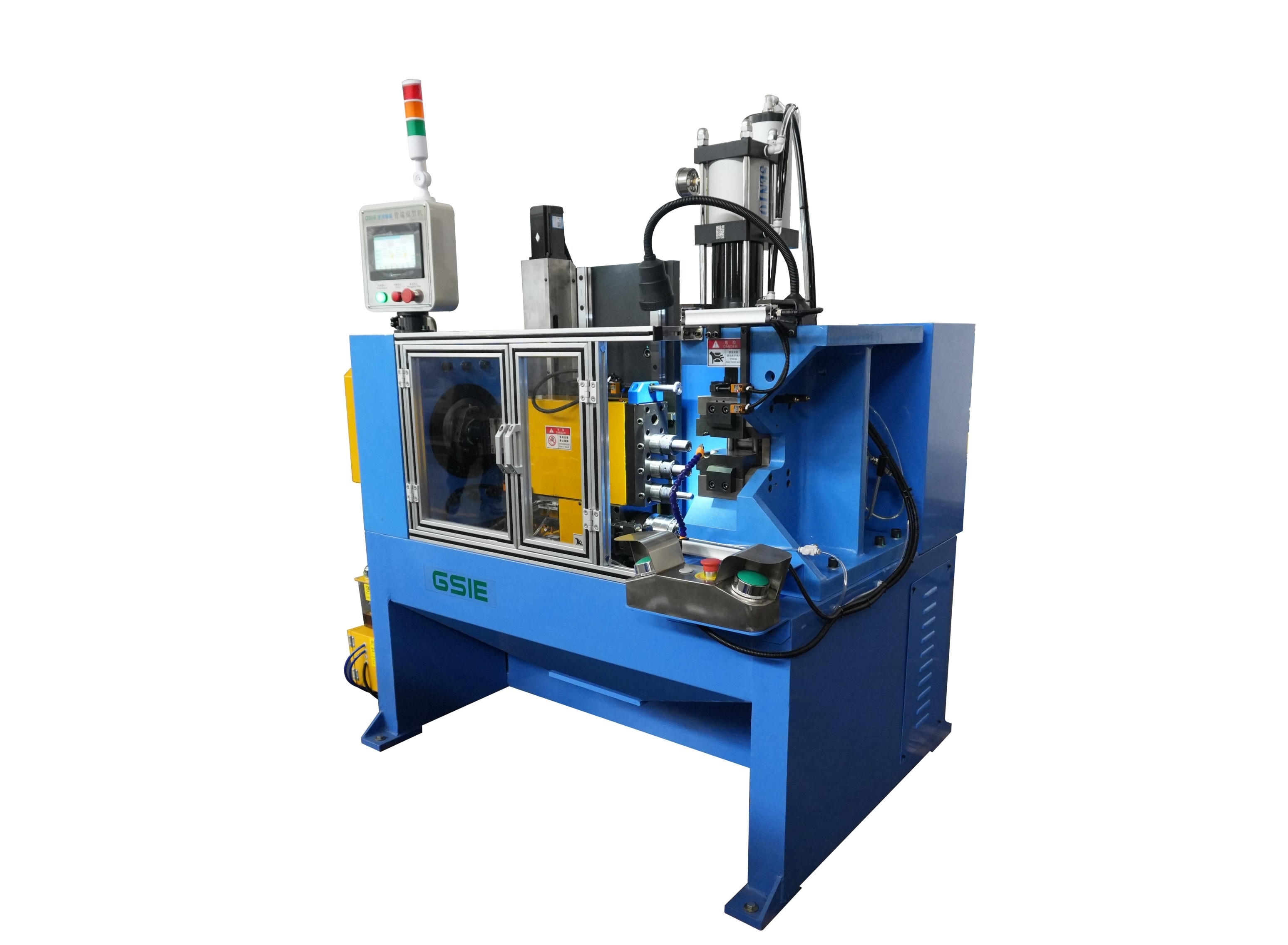
Tube end forming machine E-FMDJ-D30-3P
As one of the professional end forming machines manufacturers, GSIE provides customized tube processing solutions for global industries.
GSIE supports:
- Custom tube end forming machine solutions
- Automation integration
- CNC control systems
- Tooling development
- OEM manufacturing support
- Technical after-sales service
With experience in automotive, HVAC, refrigeration, and industrial fluid systems, GSIE helps customers improve forming efficiency and production stability.
FAQs About Tube End Forming Machine
Q1: What is tube end forming?
A: Tube end forming is a process used to reshape the end of a metal tube without removing material.
Q2: What is the difference between tube forming and end forming?
A: Tube forming includes bending, cutting, and shaping, while end forming focuses only on reshaping tube ends.
Q3: What materials can be processed?
A: Most tube end forming machine systems can process stainless steel, copper, aluminum, and carbon steel.
Q4: What industries use pipe end forming machines?
A: Automotive, HVAC, refrigeration, medical, hydraulic, and furniture industries commonly use pipe end forming machine equipment.
Q5: Is CNC end forming better than hydraulic forming?
A: CNC systems offer higher precision and automation flexibility, while hydraulic systems provide stronger forming force.
Q6: Can one machine handle multiple tube sizes?
A: Yes. Many modern tube forming machine systems support multiple tooling sets for different tube sizes.
Q7: What is the tube end forming process?
A: The tube end forming process includes feeding, clamping, forming, and unloading operations.
Q8: How much does a tube end forming machine cost?
A: Pricing depends on machine size, automation level, tooling configuration, and production requirements.