
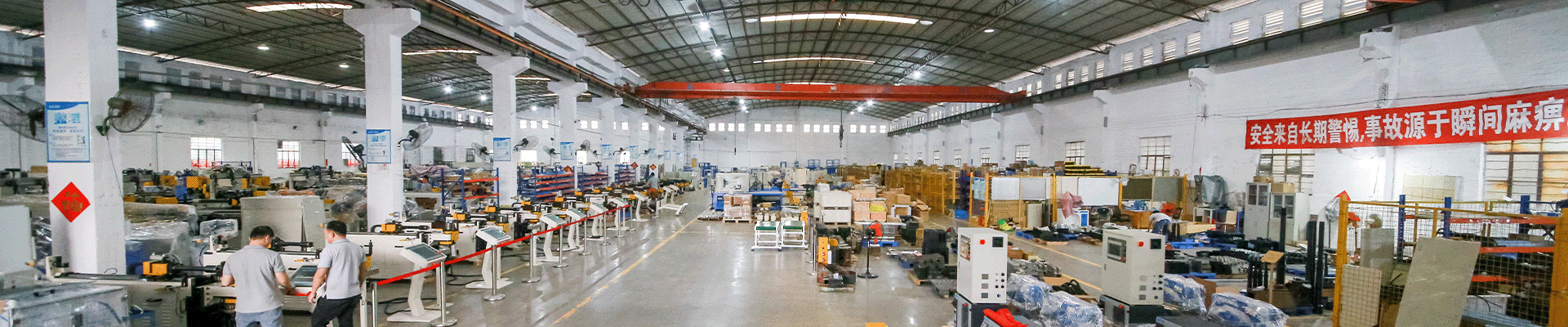
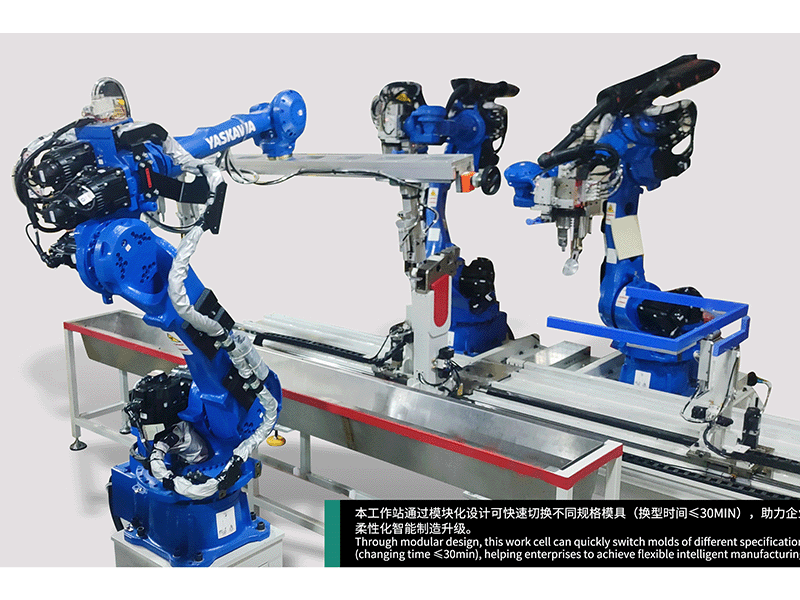
In modern manufacturing, automotive piping plays a central role in ensuring efficient fluid transfer, structural integration, and system reliability. From automated production lines to complex fluid conveying systems, piping networks are essential across industries such as automotive, HVAC, and industrial equipment manufacturing.
Within these systems, the tube bending machine and pipe bending machine have become indispensable tools. They enable manufacturers to produce precise, repeatable bends that support compact layouts, reduce connection points, and improve overall system efficiency. As automation continues to evolve, bending technology is no longer just a forming process—it is a key component of integrated production systems.
What Is a Tube Bending Machine in automotive Systems?
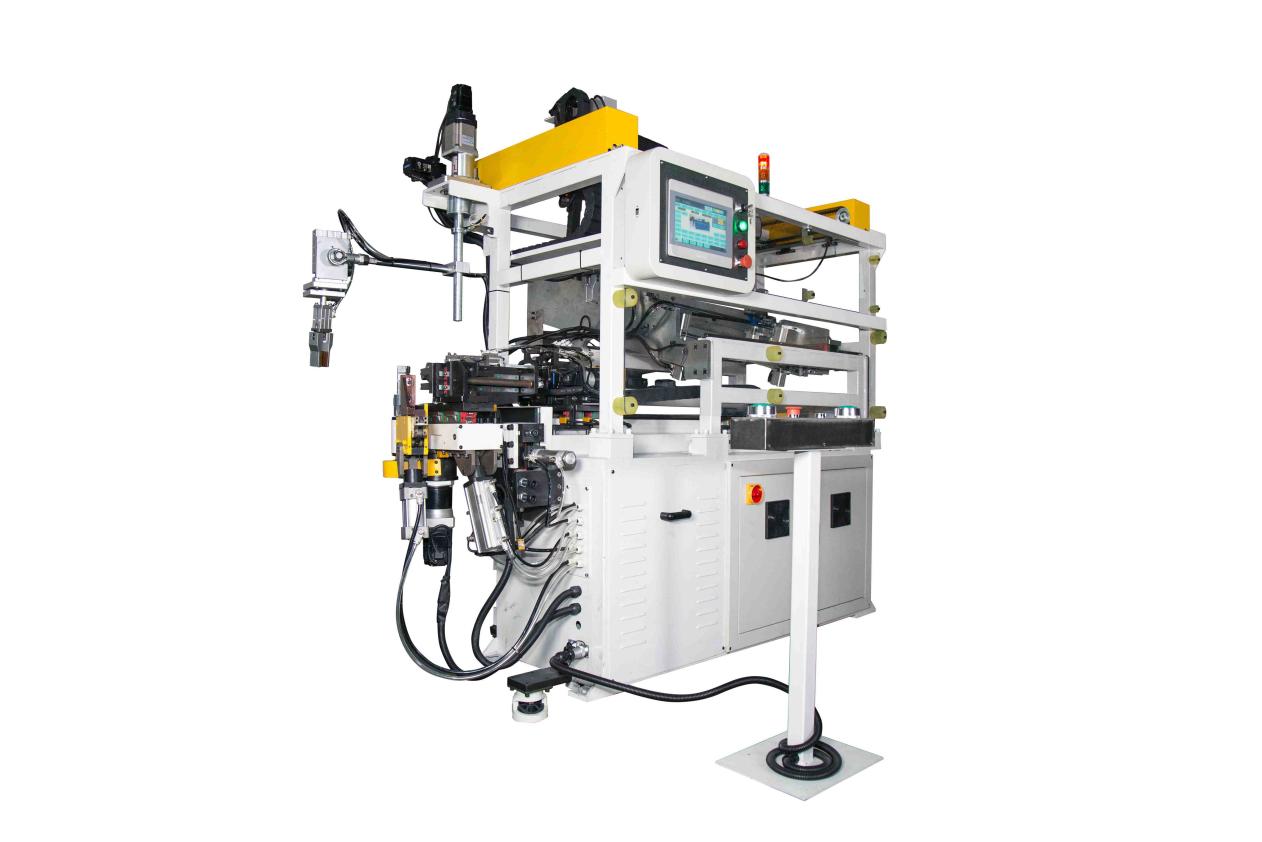
A tube bender machine in automotive systems is designed to shape metal tubes into specific angles and radii required for fluid transport, structural support, and system routing. These machines are widely used in automotive piping where accuracy and consistency directly affect performance and safety.
In automated environments, tube bending machines work alongside robotic arms, conveyors, and control systems to ensure continuous production. They are often equipped with CNC or servo control to handle complex bending sequences with minimal manual intervention.
It is also important to distinguish between a tube bending machine and a pipe bending machine. Tubes are typically measured by outer diameter and are used in applications requiring tight tolerances and smooth finishes, such as automotive fuel lines. Pipes, on the other hand, are measured by inner diameter and are often used in heavy-duty or high-pressure systems. While both machines perform similar functions, their applications in automotive piping differ slightly depending on design requirements.
Why Tube Bending Machines Are Critical in automotive Piping?
Tube bending machines are not just production tools—they directly impact the quality and reliability of automotive piping systems.
1. Precision is essential. With servo-controlled systems, modern tube bender machines can achieve highly accurate bending angles and radii, reducing deviations that could affect fluid flow or system assembly.
2. Consistency in mass production ensures that every component meets the same specification. This is especially important in automotive manufacturing, where large volumes require strict quality control.
3. Bending reduces the need for welding joints. Fewer connections mean lower leakage risk and improved structural integrity, which is critical for fluid and gas transport systems.
4. Tube bending machines are highly compatible with automated production lines. They can be integrated with robotic systems to enable continuous operation, improving efficiency and reducing labor dependency.
Key Automotive Applications of Tube Bending Machines in Vehicle Piping Systems
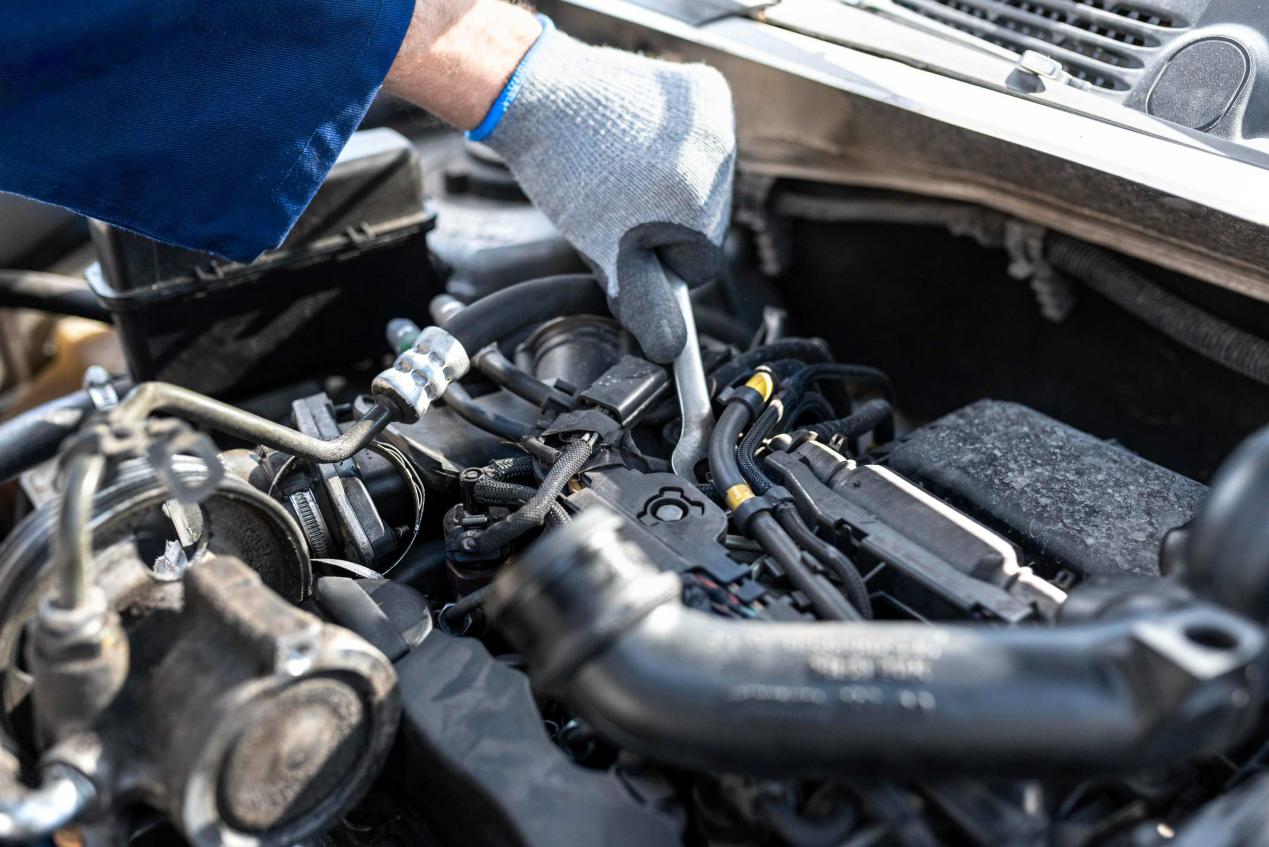
1. Automotive Exhaust System Manufacturing
In automotive manufacturing, the tube bending machine is widely used for exhaust pipe production. Modern vehicle exhaust systems require multiple complex bends within limited chassis space, especially in SUVs, trucks, and electric vehicles (EVs). High-precision CNC bending helps maintain smooth airflow, reduce back pressure, and improve overall exhaust efficiency.
For stainless steel and aluminized steel exhaust tubing, manufacturers often use a fully electric tube bender machine to achieve stable bending angles and reduce deformation. In high-volume production lines, robotic tube bending systems are commonly integrated with automatic loading and unloading equipment to improve production efficiency.
2. Fuel Line and Brake Line Production
Fuel delivery systems and brake systems require extremely high precision and sealing performance. Even slight dimensional deviations may lead to leakage or installation issues. Therefore, automotive suppliers prefer servo-controlled tube bending machines for processing thin-wall steel tubes, copper tubes, and stainless steel tubes used in fuel lines and brake pipes.
Compared with manual processing, CNC bending technology significantly improves batch consistency and reduces welding points, helping automotive manufacturers meet stricter safety and emission standards.
3. Automotive Chassis and Structural Components
Automotive chassis systems contain many bent tubular structures, including stabilizer bars, subframe components, seat frames, and headrest supports. These components require high repeatability and structural strength.
A multi-axis tube bending machine can complete complex multi-radius bending in one cycle, ensuring dimensional accuracy while improving production efficiency. In electric vehicle manufacturing, lightweight chassis design further increases demand for aluminum alloy tube bending technology.
4. Electric Vehicle Battery Cooling Pipelines
Electric vehicle battery packs require sophisticated thermal management systems. Cooling pipelines are often designed with compact routing structures that require precise tube bending to fit within limited battery pack space.
CNC pipe bending machines and tube bending systems are widely used to process aluminum cooling tubes and stainless steel thermal pipes. Accurate bending reduces connector usage and minimizes leakage risks in battery cooling systems.
5. Hydraulic and Pneumatic Tubing for Automotive Production Lines
Automotive factories themselves also rely heavily on hydraulic and pneumatic pipelines inside automated manufacturing systems. Robotic welding stations, stamping machines, and assembly equipment all require precisely bent tubing for fluid and air transmission.
In these applications, automated pipe bending machines help manufacturers maintain consistent quality while supporting continuous production in smart factories.
6. Automotive Seat and Interior Component Frames
Vehicle seats, armrests, and interior structural components frequently use bent metal tubing to achieve ergonomic and lightweight designs. A high-speed tube bender machine allows manufacturers to process thin-wall tubes efficiently while maintaining smooth surface quality for downstream coating or welding processes.
Automated bending production lines are especially important for large automotive OEM suppliers that require stable mass production capabilities.
7. Automated Automotive Manufacturing Equipment and Robot Frames
Modern automotive factories increasingly adopt automated equipment and robotic systems. Many automation structures, including robotic protection frames, conveyor supports, and equipment tubing, are produced using CNC tube bending machines.
Manufacturers such as automotive piping system suppliers, chassis component manufacturers, and EV equipment producers require highly automated bending solutions, including fully electric 9-axis CNC tube bending machines, robotic bending systems, hydroforming auxiliary equipment, and integrated automatic production lines. These systems improve precision, reduce labor costs, and support smart manufacturing upgrades.
Automotive Integration: CNC Tube Bender Machine in Smart Production
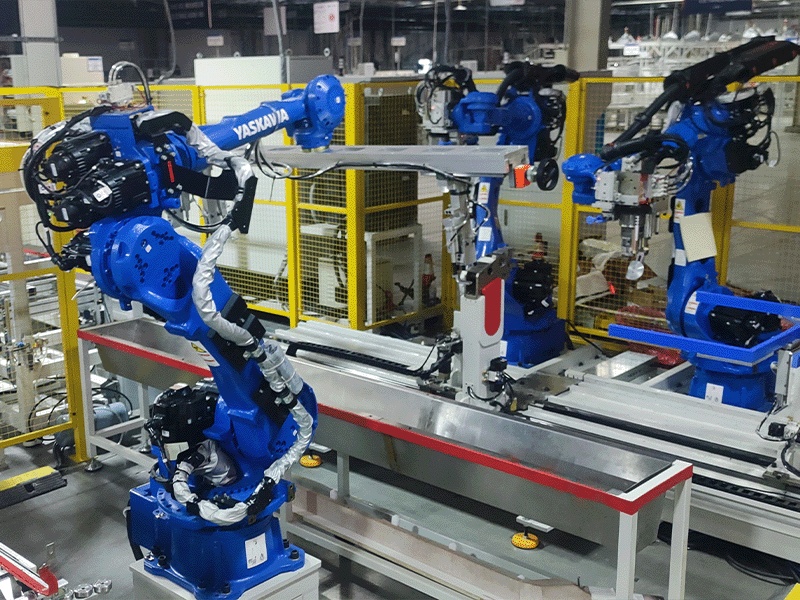
Modern manufacturing increasingly relies on CNC tube bender machines for smart production environments. These machines use advanced control systems to automate bending processes with high accuracy.
They can be integrated with robots for automatic loading and unloading, as well as connected to systems for real-time monitoring and data tracking. This level of integration supports fully automated production lines, improving efficiency and reducing errors.
Servo-driven systems further enhance performance by enabling precise control over multiple axes, allowing complex bending tasks to be completed in a single setup.
How to Choose a Tube Bending Machine for automotive Applications?
Selecting the right tube bending machine requires careful consideration of several factors.
- Tube diameter is a primary factor, as machines are designed to handle specific size ranges.
- Material type also matters, since different metals such as stainless steel, copper, or aluminum require different bending capabilities.
- Precision requirements will determine whether a CNC tube bender machine is necessary. High-precision applications typically require advanced control systems.
- Finally, the level of automation should match production needs. For high-volume manufacturing, machines that integrate with automated systems are often the best choice.
Common Challenges in automotive Piping & How Bending Machines Solve Them?
Automotive piping presents several technical challenges.
- Springback is a common issue where the material partially returns to its original shape after bending. Advanced tube bending machines compensate for this through precise control and calibration.
- Deformation such as wrinkling or flattening can occur during bending. Proper tooling and machine settings help maintain the tube’s structural integrity.
- Batch consistency is critical in large-scale production. CNC controlled machines ensure repeatable results across thousands of parts.
- Multi-radius bending is often required in complex systems. Modern tube bender machines can perform multiple bends in one cycle, improving efficiency and accuracy.
FAQ About Tube Bending Machine in automotive Industry
Q1: What is the difference between a tube bending machine and a pipe bending machine?
A: Tube bending machines are used for precision applications with tight tolerances, while pipe bending machines are designed for thicker materials and heavy-duty use.
Q2: How many axes are needed for an automated production line?
A: Most automated applications require at least 3 to 6 axes, depending on the complexity of the bending process.
Q3: Is a CNC tube bender machine necessary?
A: For high-volume or high-precision automotive applications, CNC tube bender machines are typically required to ensure consistency and efficiency.
Q4: How do you choose the right machine for different materials?
A: Material properties such as hardness, thickness, and elasticity determine the machine configuration and tooling required.
Conclusion
Tube bending machines play a critical role in automotive piping and broader industrial applications. From improving precision and consistency to enabling automation and reducing system risks, they are essential for modern manufacturing. As production systems continue to evolve toward greater integration and efficiency, the role of tube and pipe bending machines will only become more significant.
Looking to customize a pipe bending machine specifically for your project? Have other questions? Contact GSIE.